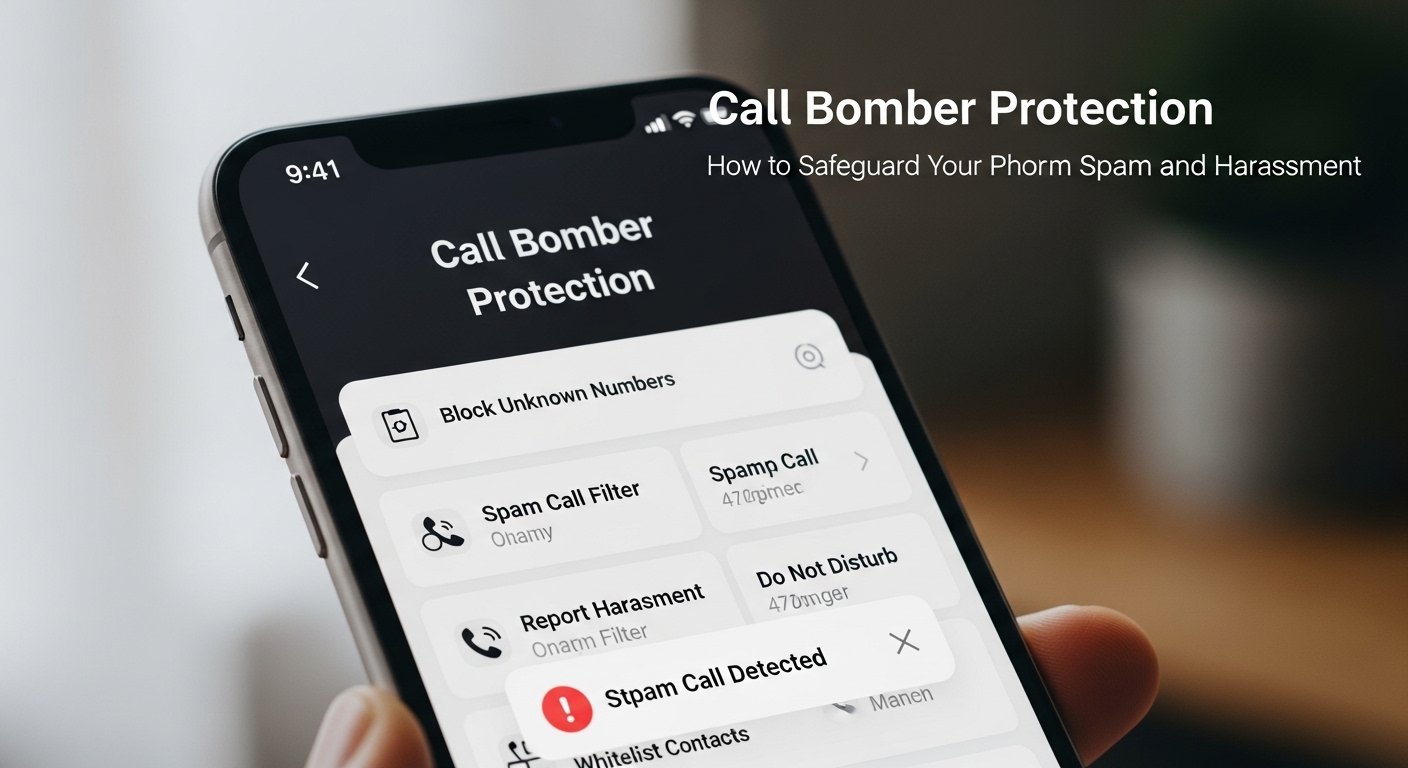
Call Bomber Protection: How to Safeguard Your Phone from Spam and Harassment
Introduction
Are you overwhelmed by nonstop spam calls, sudden call bombing attacks, or unknown numbers ringing your phone dozens of times a day? You’re not alone — this problem affects millions of smartphone users worldwide, draining your time, privacy, and peace of mind. Fortunately, effective call bomber protection exists that stops these annoying and potentially harmful calls at the source using smart filtering, AI detection, and built-in phone features. In this guide, we’ll walk through actionable solutions you can implement today to regain control of your phone’s incoming calls and protect your digital life.
What Is Call Bomber Protection?
Call bomber protection refers to systems, tools, and settings designed to shield your phone from spam calls, automated call flooding, harassment calls, and robocall attacks. While “call bombing” often refers to coordinated bursts of automated calls meant to harass or disrupt, most modern protection tools go beyond simple blocking to provide spam call protection, robocall defense, and intelligent filtering that keeps your phone usable without unwanted interruptions.
Call bomber attacks can range from prank harassment to targeted abuse — and managing them effectively requires both technology and smart habits.
Why Phones Get Spam Calls & Call Bombing Attacks
Understanding the problem helps inform the best protection strategy.
- Caller ID spoofing allows spammers to mislead your phone into thinking calls are from familiar numbers.
- Automated cloud-based systems can send thousands of calls in minutes.
- Shared public numbers or data breaches make your contact information easy to harvest.
- Weak network filtering or outdated phone settings let spam calls slip through.
The result? Frequent interruptions, wasted time, and higher exposure to scams or harassment.
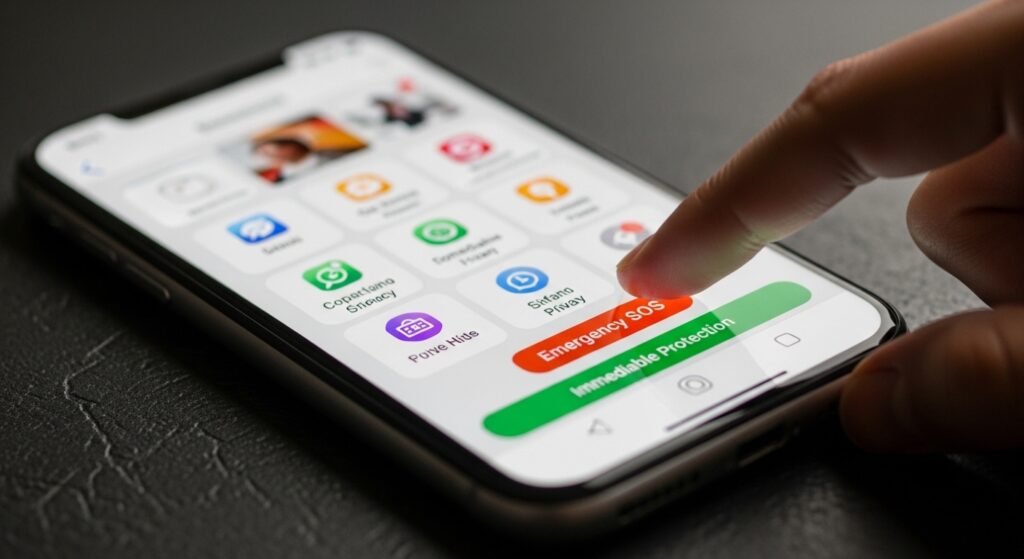
Use Built-In Phone Features for Immediate Protection
Activate Carrier & Phone Spam Filters
Most modern phones include settings to help stop spam calls and robocalls:
- On Android, you can turn on “Caller ID & spam protection” in the Phone app’s settings.
- On iPhone, features like “Silence Unknown Callers” filter out unrecognized numbers.
These built-in protections flag or block suspected spam calls before your phone ever rings.
Install Dedicated Call Blocking Apps
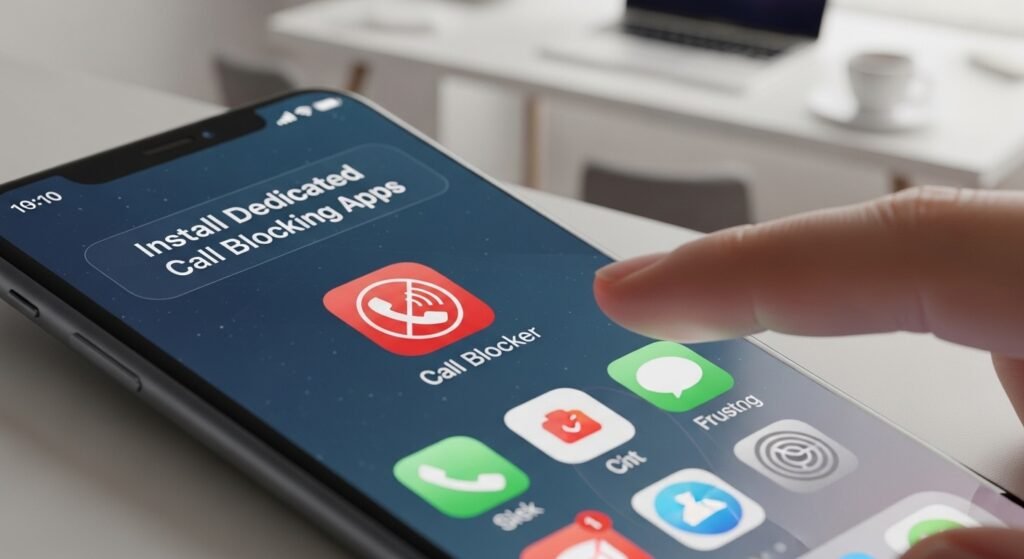
Third-party apps are among the most effective ways to implement anti-call bombing and robocall protection:
AI-Powered Call Blockers
Applications like Robokiller use predictive analytics and large spam databases to block calls and texts from known scammers automatically. They can eliminate 99% of unwanted calls by analyzing patterns and caller behavior.
Reverse Lookup & Smart Blocking Tools
Apps such as RealCall use AI to identify spam callers and can even provide reverse lookup services to check unknown numbers and block them.
Pattern & Custom Filtering Apps
Some advanced call blockers allow you to block specific number patterns (e.g., area codes or prefixes), reducing the chance that sophisticated spammers bypass your protection. These take a proactive approach beyond simple blacklisting.
Set Up Do Not Disturb (DND) & Block Unknown Numbers
A quick way to improve your spam shielding without extra software:
- Register your phone number with your network’s Do Not Disturb (DND) service — many carriers offer this for free.
- Use your phone’s native settings to automatically silence or reject unknown numbers.
DND services help reduce promotional or automated calls at the network level.
Add Your Number to Protection Lists
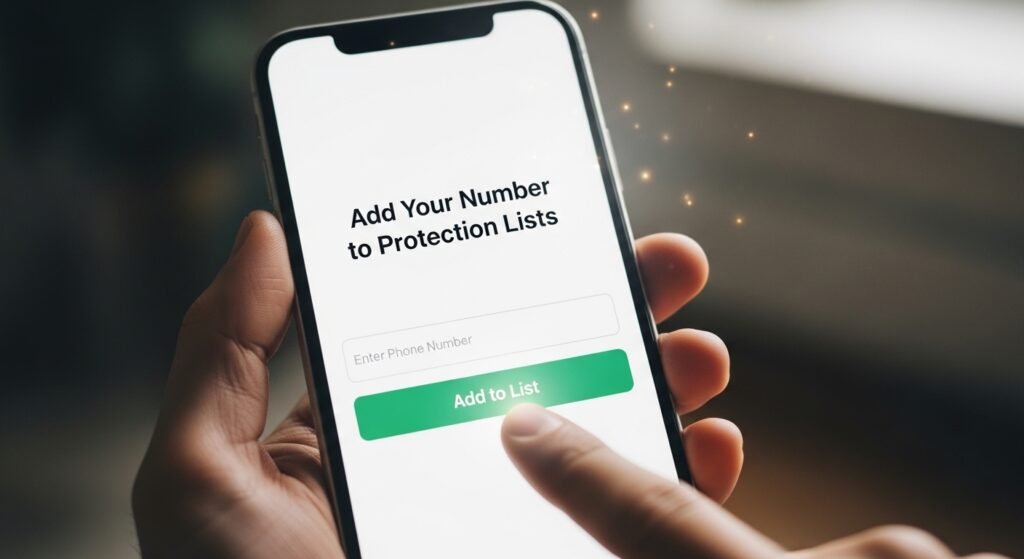
Some services and tools provide a “number protection list” that prevents your number from receiving calls from known spam or bombing services. While not all protection lists stop every call, they add another layer of defense.
Tip: Combine multiple defenses (built-in settings + apps + network protections) for best results rather than relying on one method.
Why Third-Party Apps Matter for Anti-Call Bombing
Third-party spam blocker apps do more than simple blocking:
✅ Automated Threat Detection – AI systems can identify spam patterns in real time.
✅ Custom Blocklists – Add your own list of blocked numbers.
✅ Spam Voicemail Protection – Some apps analyze voicemail content to stop unwanted messages.
✅ SMS Protection – Block both calls and spam text messages.
These features go beyond simple “call reject” and offer robust phone spam blocker protection.
Pro Tips to Prevent Future Spam Attacks
1. Keep Your Number Private
Avoid sharing your phone number publicly on social media or untrusted platforms.
2. Report Spam to Your Provider
Telecom carriers often have systems that learn from reported numbers — reporting spam helps improve overall spam detection.
3. Use Secondary Numbers for Online Sign-Ups
Consider using a separate number for service registrations, forums, or online forms to protect your primary phone.
Frequently Asked Questions (FAQs)
1. What is the difference between spam calls and call bombing?
Spam calls are unsolicited calls from telemarketers or scammers, while call bombing refers to large bursts of automated calls meant to flood and disrupt your phone. Both are unwanted, but call bomb attacks are more aggressive and repetitive.
2. Can call bomber protection stop all spam calls?
No solution is perfect, but combining built-in phone filters, carrier protection, and dedicated call blocker apps can block the vast majority of spam and automated calls.
3. Are call blocking apps safe to use?
Reputable apps use strong privacy practices and don’t share your personal call data externally. Always check an app’s privacy policy before using it.
Conclusion
Spam calls, robocall harassment, and automated call bombing can be incredibly disruptive — but you don’t have to suffer in silence. With call bomber protection, you can secure your phone using built-in settings, advanced spam blocker apps, and smart habits that cut off unwanted calls at the source. Whether through AI-powered detection, pattern filtering, or network-level defenses, protecting your phone from spam and harassment is easier than ever — and it starts with understanding the tools available and how to use them effectively.